.svg)
Modular Home Additions and How to Expand Your Living Space


If your modular home is starting to feel a little tight, you're in good company. Families grow, hobbies need room, and a home office has a way of becoming non-negotiable. The good news is that you don't have to move to get the space you need. With the right modular home addition, you can expand your living space, add real value to your property, and stay in the home and community you already love.
This guide walks through the most popular modular home additions, how they differ from traditional ones, what to plan for before you build, and roughly what each option costs in 2026, so you can decide which path fits your family and your budget.
Can You Add On to a Modular Home?
Yes, you can. Because modular homes are built to the same state and local building codes as site-built houses and rest on permanent foundations, they can be expanded much like any traditional home. The key is planning the addition so it ties cleanly into the existing structure, roofline, and utilities.
That's also why an addition is best treated as a professional building project rather than a weekend DIY. Working with an experienced modular and manufactured home construction team helps ensure the new space is structurally sound, properly permitted, and built to last.
Popular Modular Home Addition Ideas to Expand Your Living Space
There's no single right way to add on. The best modular home addition is the one that solves your specific space problem. Here are the most common options.
- Room Additions and Bump-Outs
A full room addition adds an entirely new space, such as a bedroom, family room, or dining area, while a bump-out extends a room you already have to make it larger. Bump-outs are often the more budget-friendly choice, since they piggyback on your existing foundation. In 2026, bump-outs generally run about $85 to $200 per square foot, while a brand-new room addition typically falls between $125 and $250 per square foot, depending on finishes.
- Sunrooms and Three-Season Rooms
A sunroom is a popular way to add bright, flexible square footage for relaxing, dining, or enjoying the view without committing to a full year-round room. Three-season versions cost less than fully insulated, climate-controlled ones, so this is a category where your choices have a big impact on the final price.
- Garages and Carports
Adding a garage protects your vehicles, creates storage, and can boost curb appeal. There are a few extra structural and code details to get right when attaching one, so it's worth reading up on what to know before building a garage on your home before you start. A carport is a lower-cost alternative if covered parking is the main goal.
- Basements and Second Stories
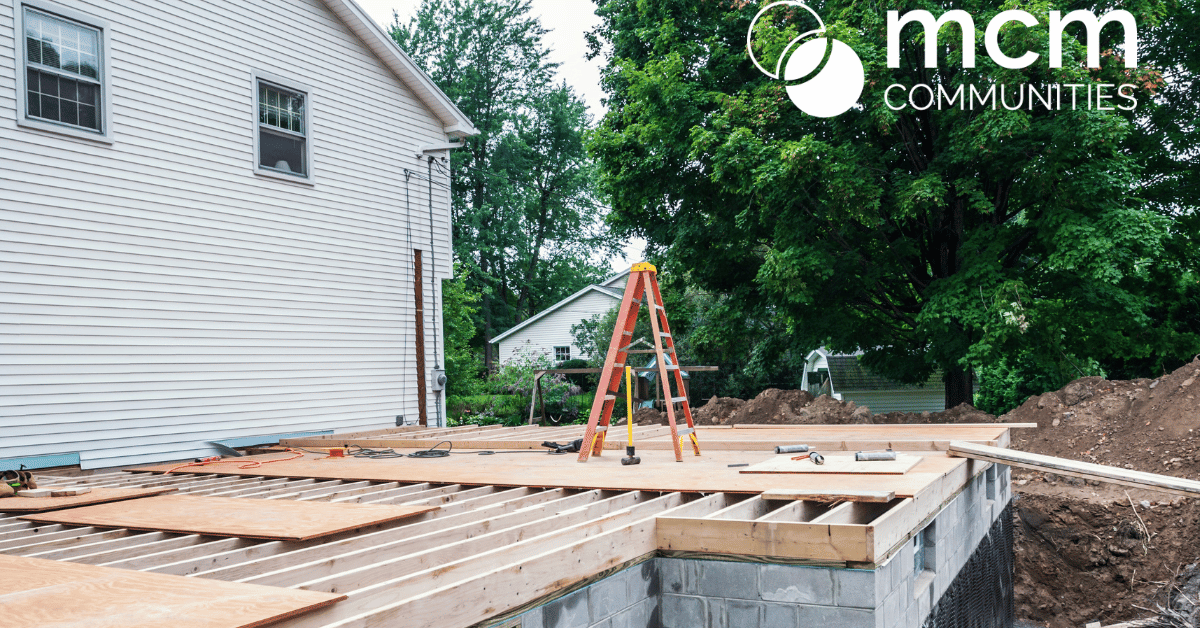
If you want to expand without changing your home's footprint, building up or down is the answer. A second story dramatically increases living space but is a bigger structural undertaking, with build-up additions commonly running $150 to $400 per square foot. A basement is another option worth weighing carefully, and there's a lot to think through before adding a basement to your modular home. If a second floor appeals to you, it's also worth exploring two-story modular home layouts for design inspiration.
- Home Offices and Flex Spaces
With remote and hybrid work here to stay, a dedicated workspace has become one of the most requested additions. The growing trend of home offices in modular and manufactured homes shows just how valuable a quiet, purpose-built room can be, whether you use it for work, hobbies, or a guest space.
How Modular Home Additions Differ From Traditional Ones
In structural terms, adding on to a modular home is very similar to adding on to a site-built home, since both are real property on permanent foundations. The main difference is in matching. Your addition should blend seamlessly with your home's existing rooflines, siding, and proportions so it looks intentional rather than tacked on.
This is where thoughtful design pays off. Looking at the custom design options that matter most in a modular home can help you make choices that keep your expanded home cohesive and attractive from the curb.
What to Consider Before Building a Modular Home Addition
A little planning up front saves money and headaches later. Before you break ground, think through the following:
• Permits and codes. Additions almost always require permits, and the rules vary by location. If your home is a HUD-code manufactured home rather than a modular one, there are specific standards to follow, which this guide to manufactured home additions explains in more detail.
• Foundation and structure. Larger additions, especially second stories, may require foundation work or reinforcement. A professional assessment tells you what your home can support.
• Energy efficiency. New square footage means new heating and cooling demands. Building with energy-efficient upgrades that pay off in modular homes keeps your utility bills in check as your home grows.
• Resale value. Not every addition returns the same value at sale. Understanding how home resale value works helps you invest in the spaces buyers care about most, like extra bedrooms and bathrooms.
• Budget and timeline. Build in a cushion of roughly 10 to 15 percent for permits, site prep, and the surprises that tend to surface once walls are opened.
How Much Does a Modular Home Addition Cost?
Costs depend heavily on the type of addition, your finishes, and local labor rates, but the 2026 national averages give a useful starting point. Most home additions run between $80 and $200 per square foot when building out, and $150 to $400 per square foot when building up. As a rule of thumb, a modest bump-out or small room can land in the $20,000 to $60,000 range, while a larger addition or full second story can reach $100,000 or more.
Rooms that need plumbing, like bathrooms and kitchens, cost more per square foot than bedrooms or living areas. The best way to budget accurately is to get a detailed, itemized quote based on your specific home and goals.
Ready to Expand Your Living Space?
A modular home addition lets you grow your living space on your terms, without leaving the home and neighborhood you've built your life around. Whether you're dreaming of a sunlit room, a dedicated office, or an extra bedroom for a growing family, there's likely an option that fits your needs and your budget.
If you'd like to talk it through, the team at MCM Communities is happy to help you explore what's possible, with no pressure. You can also browse our available homes or learn more about financing whenever the time feels right. However you choose to expand, a little planning today can open up a lot more room to enjoy tomorrow.