.svg)
What Is Included in the Base Price of a Modular Home?


When you spot an attractive price on a modular home, it's natural to assume that's roughly what you'll pay to move in. In reality, that figure is almost always the base price, and knowing what it does and doesn't cover is the single most important step toward budgeting accurately and avoiding surprises down the road.
So what is included in the base price of a modular home? This guide breaks it down in plain terms: what you can expect to be covered, which costs are usually billed separately, and how to read a quote so the final number never catches you off guard.
What Does a Modular Home Base Price Actually Mean?
The base price is the cost of the home itself, as the manufacturer builds it in the factory. It covers the structure and a standard set of finishes and fittings, but it generally stops at the point where those finished modules leave the production line. Everything required to deliver, place, and connect the home on your land is typically quoted on top of that figure.
This is why two quotes for what looks like the same home can differ by tens of thousands of dollars. Getting comfortable with how the pricing of system-built homes is structured makes it far easier to compare offers fairly and understand what you're really paying for.
What's Typically Included in the Base Price
While every builder's standard package is a little different, most modular home base prices include the following.
The Factory-Built Structure
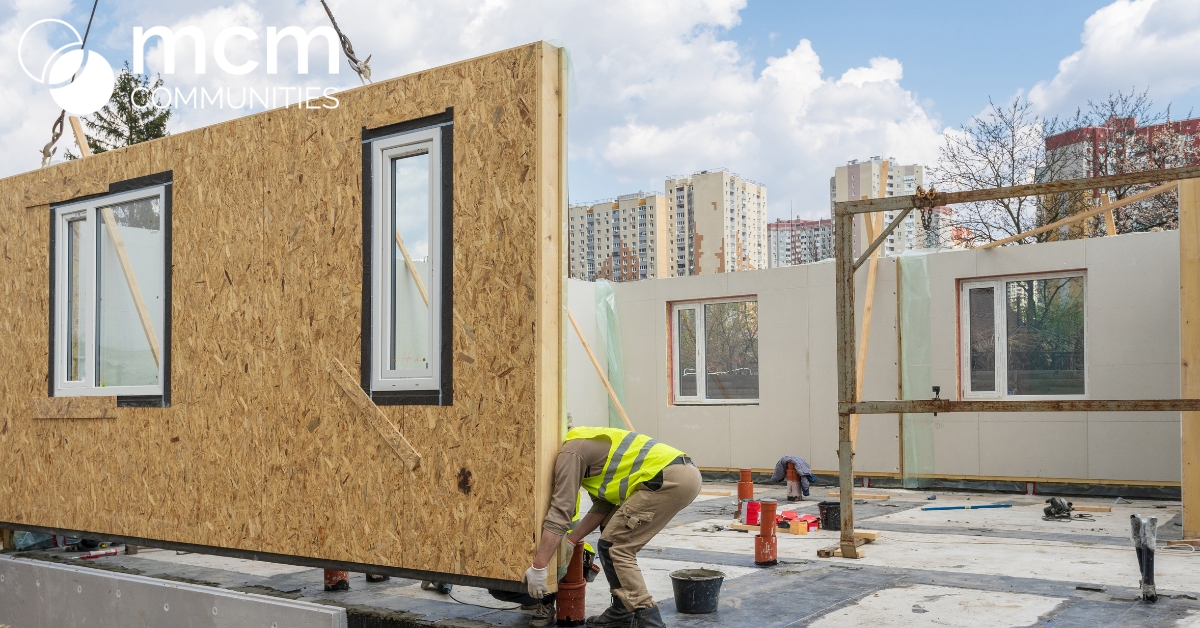
This is the heart of what you're buying: the framing, exterior walls, roof, and floor systems, along with insulation, windows, and exterior doors. Because modular homes are built to the same state and local building codes as site-built houses, this structure is engineered to the same standards you'd expect from traditional construction.
Standard Interior Finishes
The base price usually includes a standard, builder-grade selection of interior finishes: flooring, cabinetry, countertops, interior doors, and trim. These are perfectly functional and attractive, but they represent the starting point rather than the premium options. Reviewing the custom design options that matter most in a modular home helps you understand where upgrades will add to the base figure.
Standard Fixtures and Basic Systems
Most base prices cover the plumbing fixtures, electrical wiring, light fixtures, and heating components installed within the home at the factory. Some builders also fold in standard kitchen appliances. The keyword is within: these systems are built into the home, but connecting them to your property's utilities is a separate step.
What's Usually Not Included in the Base Price
This is where buyers are most often surprised. The following costs are typically quoted separately, and together they can add a significant amount to the base price.
Delivery, Setup, and Foundation
Transporting the modules to your site, craning them into place, and assembling them are all additional costs. So is the foundation your home sits on, which commonly runs from about $6,000 to $20,000, depending on the type.
Site Work and Utility Connections
Preparing the land — clearing, grading, and adding a driveway — often runs a few thousand dollars, depending on your site, while connecting water, sewer, or septic, electricity, and gas can add substantially more, sometimes tens of thousands, depending on how far your property sits from existing hookups. If you're buying land too, it's worth knowing what a home and land package typically includes so you can plan for the full picture.
Permits, Fees, and Taxes
Local building permits and inspections are required and typically range from a few hundred to a few thousand dollars, and sales tax is usually calculated on top of the home price. These vary widely by location, so always confirm them for your specific area.
Upgrades and Custom Features
Anything beyond the standard package adds to the base price: premium finishes, additional square footage, and extras like garages, decks, porches, or a fireplace. These are some of the most enjoyable parts of personalizing a home, but they're rarely part of the advertised base figure.
Base Price vs. Turnkey Price: The Number That Really Matters
Once you understand the extras, the most useful comparison becomes base price versus turnkey price. In 2026, the factory-built modules alone commonly run about $50 to $100 per square foot and represent roughly 40 to 60 percent of the final cost, while a complete, installed modular home averages closer to $80 to $160 per square foot once everything is included. In other words, the base price is an important starting point, not the finish line.
How to Read a Modular Home Quote With Confidence
The best way to avoid surprises is to ask the right questions before you commit. When you receive a quote:
• Ask for an itemized breakdown. A clear, line-by-line quote shows exactly what's in the base price and what's billed separately.
• Confirm the big-ticket extras. Specifically check whether delivery, foundation, site work, utility connections, and permits are included.
• Clarify the finish level. Ask which finishes and appliances are standard, and what common upgrades would cost.
• Get it in writing. Make sure everything included is documented in your contract, not just discussed.
It also helps to see where each cost fits into the bigger journey. This step-by-step guide to purchasing a modular home lays out the full process so you always know what comes next.