.svg)
What to Consider Before Adding a Basement to Your Modular Home


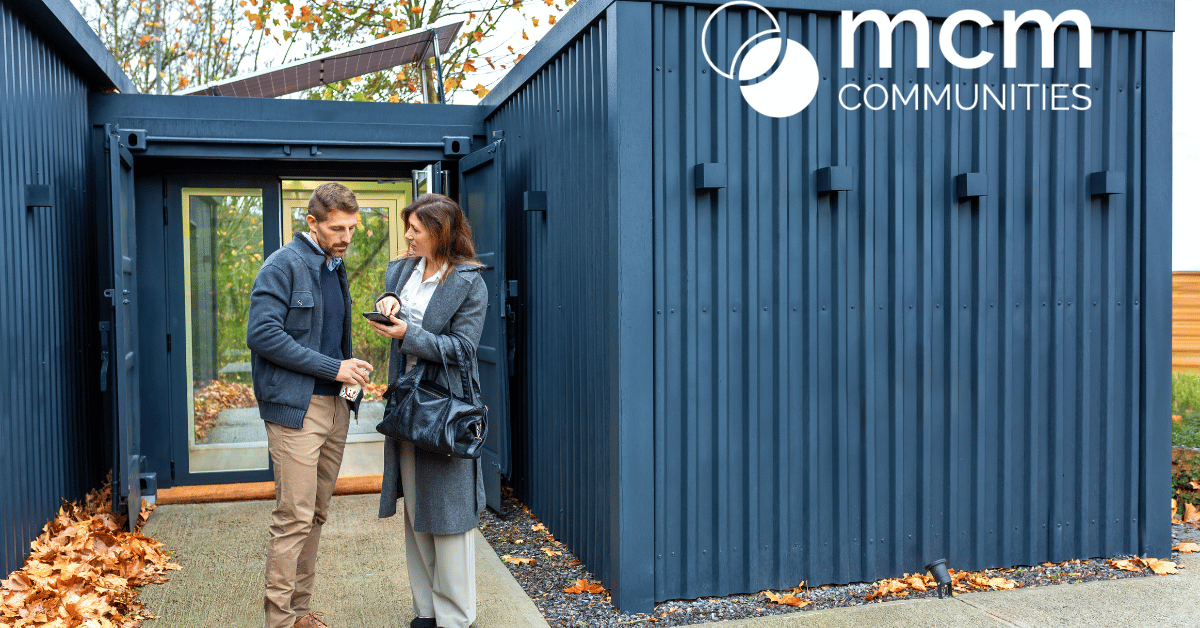
Modular homes with basements aren't as uncommon as you might think. In fact, adding a basement to a modular home is one of the smartest ways to boost your living space, storage, and long-term home value, all without stretching your budget the way a traditional build would.
But before you commit, there are a few things worth thinking through. Not every lot supports a basement. Not every budget needs one. And the planning process looks a little different from what it does with a site-built home.
Whether you're shopping for your first modular home or thinking about upgrading your current setup, here's what you need to know about modular homes with basements, and how to decide if it's the right move for you.
Can You Add a Basement to a Modular Home?
The short answer is yes. Modular homes can absolutely be placed on full basements, and many homeowners across Michigan do exactly that. The home is built in a factory, transported to your site, and then set onto a pre-poured basement foundation using a crane.
The key difference from traditional construction is timing. Your basement foundation needs to be fully prepared before the home arrives. That means the excavation, concrete pouring, waterproofing, and curing all happen first. Once the foundation is inspected and ready, your modular home gets placed directly on top.
It's a well-established process, but it requires coordination between your builder, your foundation contractor, and your home dealer. Working with a company that handles both the home and the construction simplifies this significantly.
Site and Soil Conditions Matter
Before you start planning modular homes with basements, you need to understand what's happening beneath the surface of your lot. Soil type, water table levels, and drainage patterns all affect whether a basement is practical on your property.
Sandy or gravelly soil drains well and tends to work in your favour. Clay-heavy soil holds moisture and can create pressure against basement walls over time. A high water table makes waterproofing more critical and more expensive.
A soil test and site evaluation are essential first steps. Your builder or foundation contractor can arrange this, and the results will tell you exactly what you're working with. Skipping this step is where problems start, and they're the kind that show up years later as cracks, dampness, or structural shifting.
Understanding the Cost of a Basement Foundation
Adding a basement to your modular home costs more upfront than a crawl space or slab foundation. That's the trade-off. But the value you get back, in usable square footage, storage, and resale appeal, often makes it worthwhile.
The cost depends on the size of the basement, your soil conditions, local labor rates, and whether you want a finished or unfinished space. An unfinished basement gives you raw storage and mechanical space at a lower price point. A finished basement adds bedrooms, a family room, a home office, or whatever your family needs most.
When you're budgeting, factor in waterproofing, drainage systems, egress windows if you plan to add bedrooms, and HVAC extensions. These aren't optional extras but part of doing it right.
Permits and Local Building Codes
Every municipality has its own rules around foundations, and basements for modular homes are no exception. You'll need permits for the excavation, the foundation pour, and the home placement. Some areas also require separate inspections at each stage.
Zoning regulations can affect basement depth, egress requirements, and setback distances. If you're building in a manufactured home community, the community itself may have guidelines about foundation types.
Working with an experienced local builder takes the guesswork out of this. They'll know the permit requirements in your area and handle the paperwork so you can focus on choosing your home.
Waterproofing and Drainage Are Non-Negotiable
Michigan weather puts basements to the test. Heavy rain, snowmelt, and fluctuating water tables mean waterproofing isn't optional but essential for every modular home with a basement.
A solid waterproofing plan includes exterior membrane coatings applied to the foundation walls, a perimeter drain tile system that channels water away from the base, and properly graded landscaping that directs surface water away from your home.
Interior measures matter too. A sump pump with a battery backup gives you protection during storms and power outages. Sealing any cracks or joints in the concrete keeps moisture from creeping in over time.
Getting this right during construction is far cheaper than fixing water damage after the fact. Your foundation contractor should outline a complete waterproofing strategy before any concrete gets poured.
Choosing Between a Full Basement and a Partial Basement
Not every modular home needs a full basement. Depending on your lot and your goals, a partial basement might be the better fit.
A full basement runs the entire footprint of the home and gives you maximum space. It works well for families who want a finished lower level, think extra bedrooms, a rec room, or a dedicated laundry area.
A partial basement covers only a section of the home's footprint, with the remaining area sitting on a crawl space or slab. This option costs less and still gives you meaningful storage or mechanical space without the full investment.
Your decision should come down to how you plan to use the space, what your lot allows, and what fits your budget. There's no wrong answer here, just the one that matches your needs.
How a Basement Adds Value to Your Modular Home
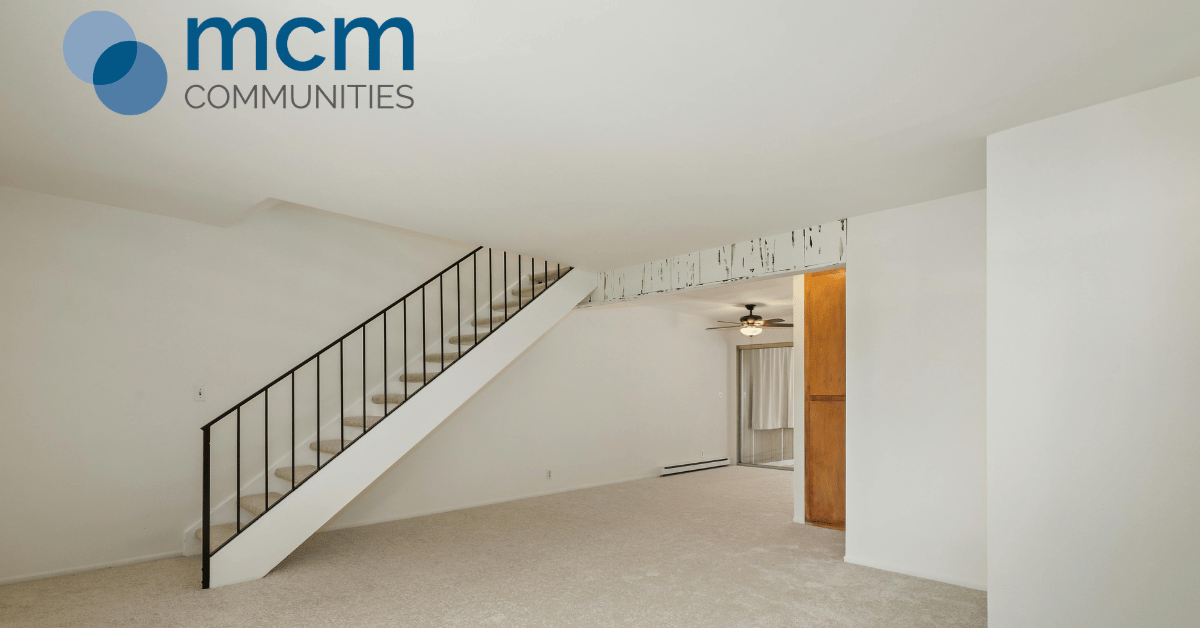
Modular homes with basements tend to appraise higher and attract more interest if you ever decide to sell. That extra square footage, even unfinished, is a real asset in the eyes of buyers and appraisers alike.
Beyond resale, a basement gives you practical value every day. It's where your furnace, water heater, and electrical panel live without eating into your main floor space. It's where holiday decorations, seasonal gear, and everything else you don't need daily can be stored without cluttering your home.
And if your family grows or your needs change, a basement gives you room to expand without adding onto your home's footprint. That kind of flexibility is hard to put a price on.
Making the Right Decision for Your Family
Adding a basement to a modular home isn't complicated, but it does take planning. Start by evaluating your lot, understanding your soil, and getting clear on your budget. Work with a builder who knows modular construction and can coordinate every piece of the process from foundation to move-in day.
The payoff is a home that's more spacious, more functional, and more valuable, built the way you want it, at a price that makes sense.
MCM Communities builds modular homes designed for real life across Michigan. If you're exploring modular homes with basements or want to learn which of our communities support basement foundations, reach out to our team or browse our available properties to get started. Your home should work for you, from the ground up.