.svg)
Common Rules for Living in a Manufactured Home Community
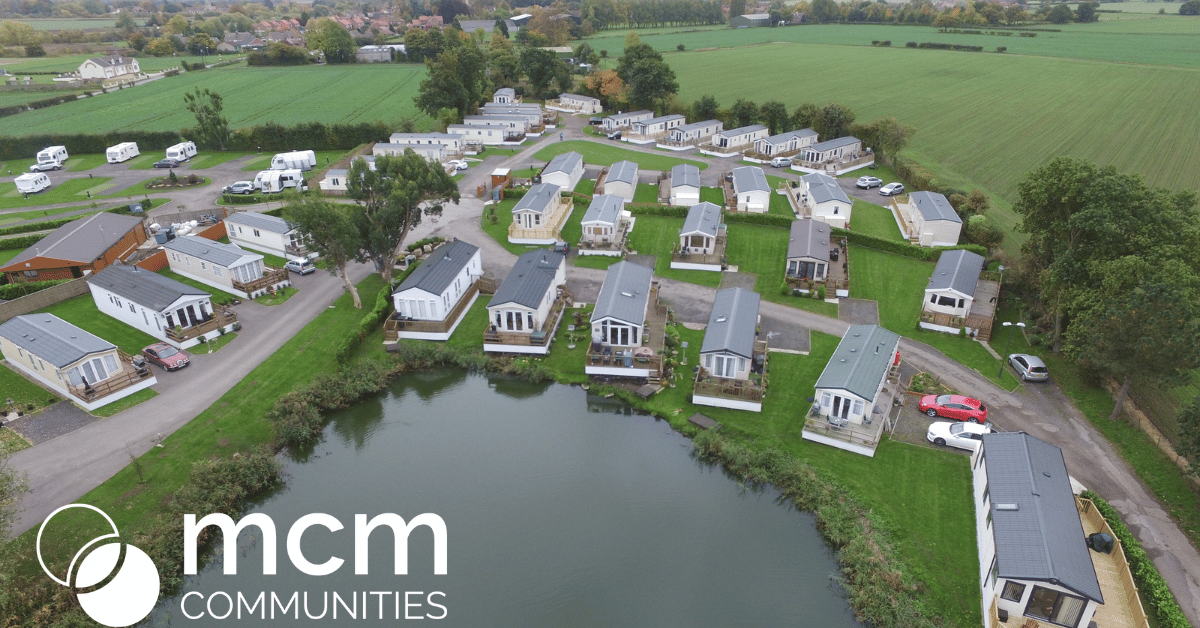


Living in a manufactured home community offers a blend of affordability, ownership, and neighborhood comfort that appeals to many Michigan residents. But these communities also work best when everyone understands the expectations that keep shared spaces safe, consistent, and enjoyable. Clear rules are part of what gives manufactured home neighborhoods their stability, especially in well-managed communities across Michigan, where weather, amenities, and close-knit layouts require a little extra coordination.
What Makes Community Rules Necessary?
Manufactured home communities operate differently from traditional subdivisions. Residents own their homes but rent the lot beneath them, and the community provides road maintenance, landscaping of shared spaces, utilities management, and access to amenities. Because of this shared responsibility, rules help maintain a unified look and prevent issues that could impact everyone’s comfort or safety.
Michigan’s climate adds practical considerations. Winter storms, freeze cycles, and seasonal wear mean that upkeep and safety standards aren’t just preferences. They’re essential for long-term home protection and smooth community operations.
What Are the Appearance and Maintenance Expectations?
Home presentation matters in any neighborhood, but it plays an especially important role in manufactured home communities where homes sit closer together and curb appeal affects overall value. Residents can typically expect guidelines related to:
- General exterior upkeep, including siding repair, repainting, and maintaining roofs.
- Proper skirting, which protects plumbing from freezing and keeps the home visually consistent with others.
- Yard care, including mowing, trimming, and removing debris, is required to maintain a clean, uniform appearance.
- Seasonal tasks, like keeping walkways clear in winter and managing leaves in the fall.
- Approval for additions, including decks, porches, and sheds, to ensure structures meet safety and design standards.
These expectations aren’t designed to micromanage residents. They simply ensure the neighborhood maintains the same pride of ownership across every lot.
What Should You Know About Parking and Road Use?
Because roads in manufactured home communities are privately maintained and often narrower than city streets, parking and vehicle rules tend to be more defined. Most communities restrict street parking to ensure emergency vehicles can always pass. Residents may also find rules about storing boats, RVs, and trailers, as well as guidelines for guest parking.
Speed limits are typically low, usually around 10 to 15 mph, to protect children and pedestrians. Winter adds another layer of caution, as vehicles may need to be kept off the streets during snow removal so plows can clear the roads quickly and safely. The goal is to keep traffic moving, keep people safe, and prevent conflicts between neighbors before they happen.
What Rules Apply to Pets and Noise?
Pets are welcome in many manufactured home communities, but they usually come with basic standards. Leashes, cleanup policies, and breed- or size-based restrictions help maintain cleanliness and safety. Noise rules, especially at night, help ensure a peaceful home environment for everyone.
In communities with amenities such as pools, clubhouses, dog parks, and pickleball courts, residents may also find usage guidelines to keep shared spaces clean and accessible.
What Do Lot-Lease Agreements Typically Require?
Because residents own their homes but rent the land beneath them, the lot-lease agreement outlines what the community maintains and what homeowners are responsible for. Most communities keep it simple by having the management handle road upkeep, shared green spaces, infrastructure, and common areas, while homeowners take care of their individual lots.
This typically includes lawn care, trimming shrubs, keeping the area around the home tidy, and managing utilities that connect directly to the house. Snow removal is a shared responsibility, where management clears the streets while residents keep their own driveways and walkways safe. These agreements are designed to set clear expectations from the beginning so everyone knows what’s required to maintain a pleasant environment year-round.
What Should You Know Before Upgrading or Modifying Your Home?
One advantage of owning a manufactured home is the ability to personalize it. Still, because communities focus on consistent aesthetics and safe construction, most improvements require prior approval. This often applies to porches, decks, carports, sheds, patios, driveways, and fencing.
Building standards also apply to most upgrades. Certain improvements, such as electrical work, HVAC installations, or structural changes, may require permits depending on local regulations. Communities typically review plans to ensure they comply with safety codes and integrate with the surrounding homes. These guidelines aren’t meant to limit creativity. They help ensure that any improvements enhance the neighborhood and do not create issues down the road.
How Do Communities Prioritize Safety and Security?
Safety remains one of the biggest reasons people choose manufactured home communities. Well-lit streets, maintained infrastructure, and clear emergency access are part of everyday life. Rules about speed limits, parking, and yard maintenance all contribute to this.
There are also practical, home-specific safety guidelines. Keeping grills a safe distance from siding, removing flammable debris, and maintaining clear pathways around the home all help reduce risk.
In regions with winter weather, maintaining walkways and steps becomes especially important to prevent slippery conditions. Some communities also encourage neighborhood watch programs or provide simple reporting systems for concerns, reinforcing the sense that residents look out for one another.
What Happens If Someone Doesn’t Follow the Rules?
Communities strive for cooperation first. When a rule isn’t followed, whether it’s yard upkeep, parking misuse, or an unapproved structure, residents usually receive a written notice with a clear explanation of what needs to be corrected and by when. The goal is transparency, not punishment.
If an issue continues, communities may issue additional notices, fees, or lease-related consequences, depending on the severity. The purpose of enforcement is to preserve the neighborhood’s quality for everyone. A small number of consistent guidelines helps prevent bigger issues from affecting overall safety, cleanliness, or home values.
How Do These Rules Protect Long-Term Value?
Clear, fair rules are one of the biggest reasons manufactured home communities have become a reliable housing option for Michigan residents. They help ensure:
- Homes remain well-kept
- Shared amenities stay in good condition
- Infrastructure is safe and functional
- Residents can enjoy a stable, predictable environment
When a community maintains strong standards, individual homes benefit. Curb appeal stays high, resale interest improves, and the neighborhood becomes more desirable. In a market where affordable housing can be difficult to find, this consistency offers a meaningful advantage for families, first-time homebuyers, and downsizers alike.
Is Manufactured Home Community Living Right for You?
For many people, manufactured home communities are a strong fit. They offer affordable homeownership, less day-to-day maintenance, and a straightforward neighborhood experience. The rules support stability and help ensure everyone enjoys a well-kept, comfortable place to live.
Before choosing a community, it’s helpful to review the guidelines, visit in person, and talk with the management team. While each community operates differently, most share the same priorities: safety, consistency, and resident comfort.
Living in a manufactured home community is ultimately about joining a neighborhood built for long-term value and practical everyday living. If you’re exploring options in Michigan, MCM Communities offers well-managed, resident-focused neighborhoods worth considering as you look for a place that truly fits your lifestyle.