.svg)
Financing a Modular Home in Michigan: Programs and Pitfalls


The Rise of Modular Homes in Michigan
Across Michigan, more homebuyers are exploring modular homes as a practical and affordable path to homeownership. With rising housing costs in metro areas like Grand Rapids, Lansing, and Southeast Michigan, modular homes offer a compelling alternative: fast build times, energy-efficient construction, and modern designs that fit a wide range of budgets.
Michigan’s mix of suburban neighborhoods, rural townships, and growing commuter communities makes modular housing especially appealing. Buyers appreciate the ability to customize layouts, control build quality through factory construction, and often pay less than they would for a traditionally built home.
But while modular homes look and function like site-built houses, financing them can feel unfamiliar. Slight differences in the loan process, foundation requirements, and appraisal steps can catch buyers off guard if they’re not prepared. Understanding how financing works in Michigan can help you avoid delays, unexpected costs, and common mistakes.
This guide walks through the essentials so you can move into the process with clarity and confidence.
Understanding Modular Home Financing Basics
One of the most important distinctions to understand is the difference between modular, manufactured, and mobile homes. In Michigan, this distinction directly impacts loan eligibility.
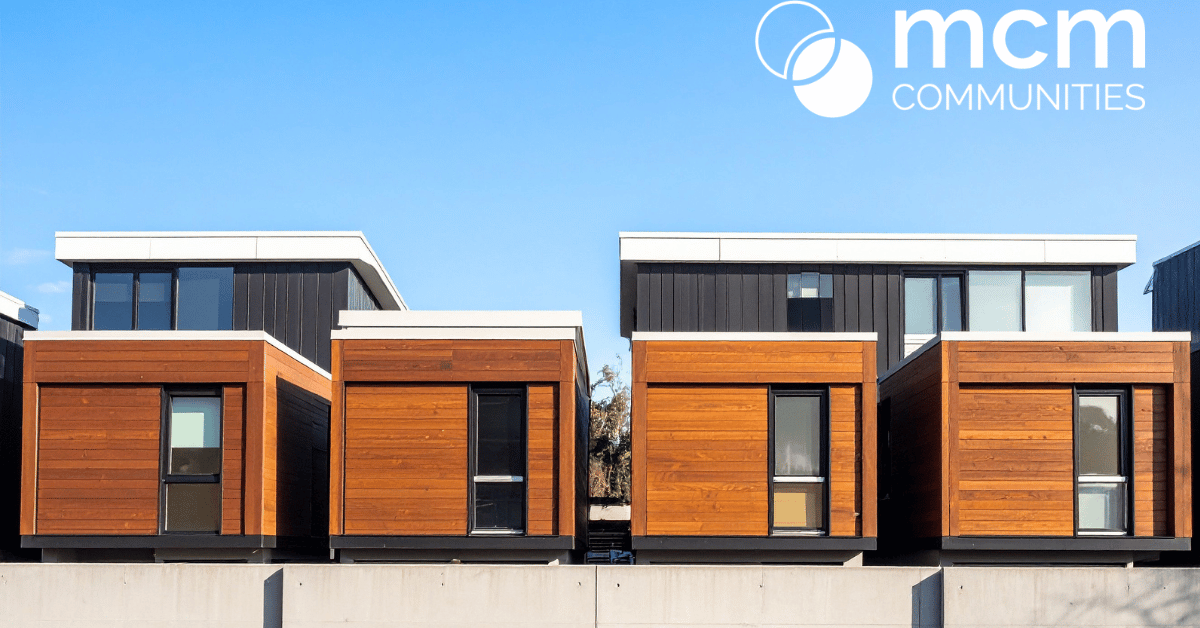
A modular home is built in sections inside a controlled factory environment, transported to the homesite, and placed on a permanent foundation. Because modular homes must meet the same Michigan Residential Code as site-built homes, they generally qualify for conventional mortgages once installed and titled correctly.
That said, lenders often require a few additional steps when financing a modular home:
- Detailed construction plans and cost breakdowns
- Confirmation that the home will be permanently affixed to the foundation
- Proper title conversion so the home is classified as real property
- An appraisal that compares your home to similar modular or site-built homes in your Michigan county
Types of Financing Options Available in Michigan
Michigan buyers have several financing options. The right one depends on your credit score, long-term plans, and whether you already own land.
1. Conventional Mortgage Loans
A popular route for modular homes is placed on privately owned land. Conventional mortgages typically offer:
- Competitive interest rates
- Flexible term lengths
- Stable monthly payments
They usually require a higher credit score and a larger down payment, but they are straightforward once the home is installed and titled as real property.
2. FHA Loans
FHA loans are widely used in Michigan, especially by first-time buyers. They offer:
- Down payments as low as 3.5%
- More flexible credit requirements
- Standard mortgage approval when the modular home is permanently affixed
This program is strong for buyers who want affordability without compromising long-term financing stability.
3. VA Loans
Michigan has a significant veteran population, and VA loans provide one of the most favorable pathways to owning a modular home. Benefits include:
- No down payment
- No private mortgage insurance
- Competitive interest rates
VA loans can be used for modular homes that meet installation and real property requirements.
4. USDA Rural Development Loans
Many Michigan communities, especially outside major metro centers, fall within USDA-eligible zones. These loans offer:
- Zero down payment
- Low interest rates
- Flexible qualification guidelines
This can be an excellent option for buyers in rural or suburban Michigan communities.
5. Construction-to-Permanent Loans
Ideal for buyers who are building a modular home from the ground up on their own land.
This loan covers the construction phase and then converts into a traditional mortgage, eliminating the need for two separate loans.
State and Local Financing Programs for Michigan Buyers
In addition to federal loan options, Michigan offers several state-level programs that can make modular homeownership more affordable. These programs are beneficial for first-time buyers, moderate-income households, and anyone looking to reduce upfront costs.
- Michigan State Housing Development Authority (MSHDA) Loans – A statewide housing agency offering affordable mortgage options and assistance programs designed to make homeownership more accessible for Michigan residents.
- MI Home Loan – A fixed-rate mortgage program with competitive interest rates for eligible buyers; ideal for first-time homeowners or those purchasing in targeted areas.
- Down Payment Assistance (DPA) – Provides up to $7,500 statewide and up to $10,000 in select zip codes to help reduce upfront costs at closing, making homeownership more achievable.
The Importance of Credit, Down Payment, and Insurance
Your financial profile plays a significant role in determining which loan programs you qualify for and what interest rates you receive.
Credit Score
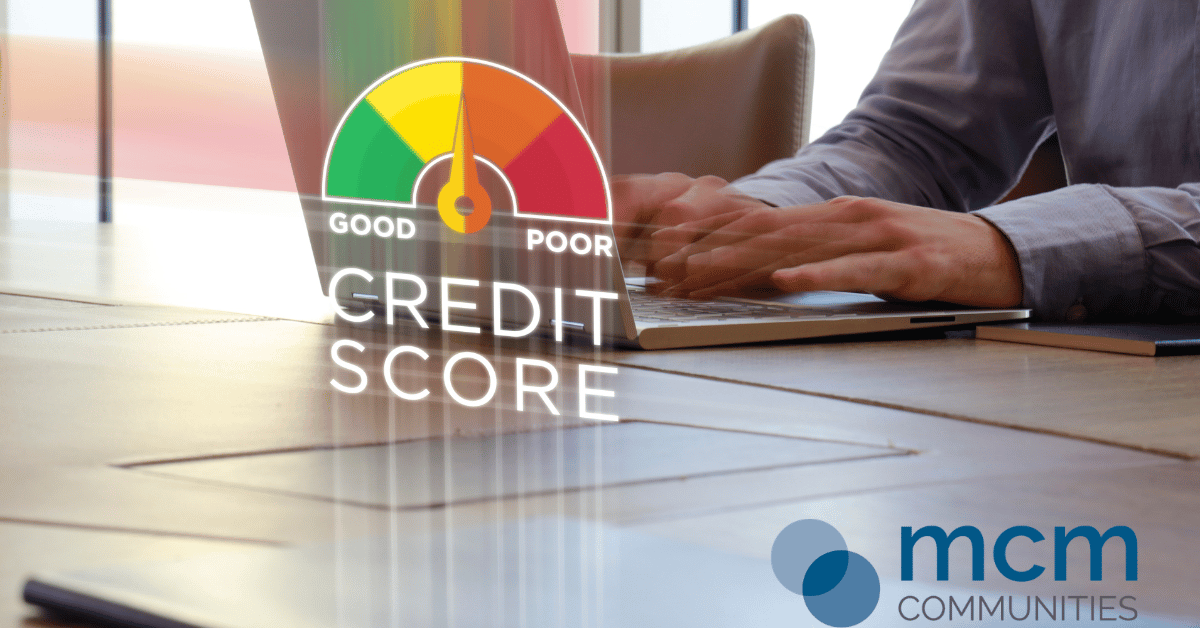
Loan requirements vary, but higher scores generally unlock the best terms. Conventional loans favor stronger credit; FHA loans are more flexible (often starting around 580); and VA/USDA loans offer more leniency while still rewarding solid credit histories.
Down Payment
Down payments differ by loan type. USDA and VA loans offer 0% down options, FHA starts at 3.5%, and conventional loans typically range from 5–20%. Understanding these thresholds helps you align your budget with the right program.
Insurance
During construction, a builder’s risk policy protects the home and materials. Once the house is set on a permanent foundation and classified as real property, standard homeowners' insurance applies, similar to any traditional home.
Common Financing Pitfalls and How to Avoid Them
Modular home financing is straightforward when you understand the process, but a few missteps can lead to avoidable delays or additional expenses.
Working With a Lender Who Doesn’t Understand Modular Construction
Not every lender specializes in modular financing. Some lack experience with modular appraisal requirements or construction-to-permanent loan processes. Choosing a lender familiar with modular homes ensures fewer delays and smoother approvals.
Appraisal Challenges
In certain parts of Michigan, particularly rural counties or areas with low housing turnover, finding comparable modular or site-built sales can be challenging. Detailed builder plans, manufacturer specifications, and photos of similar homes can help appraisers determine accurate value.
Misclassification of the Home
One of the most common issues in Michigan is confusion between modular and manufactured homes. This is important because manufactured homes are built to the HUD code and may require different loan products. Ensuring your lender correctly classifies the home as modular prevents processing errors and potential loan denials.
Foundation and Title Requirements
For a modular home to qualify for traditional mortgages in Michigan, it must:
- Be placed on a permanent foundation
- Meet Michigan Residential Code standards
- Be titled and recorded as real property
Building Smart, Buying Smart in Michigan
Financing a modular home in Michigan becomes much simpler when you understand the process, explore all available loan programs, and avoid common pitfalls. Modular homes offer a modern, efficient, and affordable path to homeownership, and with the proper preparation, the financing can be just as straightforward.
For buyers looking for support, MCM Communities offers guidance throughout the purchasing process, from choosing the right home to navigating financing options.
Contact MCM Communities to explore modular and manufactured homes available in Michigan or to learn more about financing programs that may fit your needs.